Hydraulic Systems and the Critical Role of Oil Seals
Hydraulic systems are among the most demanding environments for any sealing component. High pressures, temperature cycling, fluid contamination, and continuous mechanical stress combine to create conditions that will rapidly expose any weakness in seal design, material, or manufacturing quality. Choosing the right oil seal for hydraulic applications is not a general-purpose decision — it requires careful specification of geometry, compound, and pressure rating for the exact duty cycle involved.
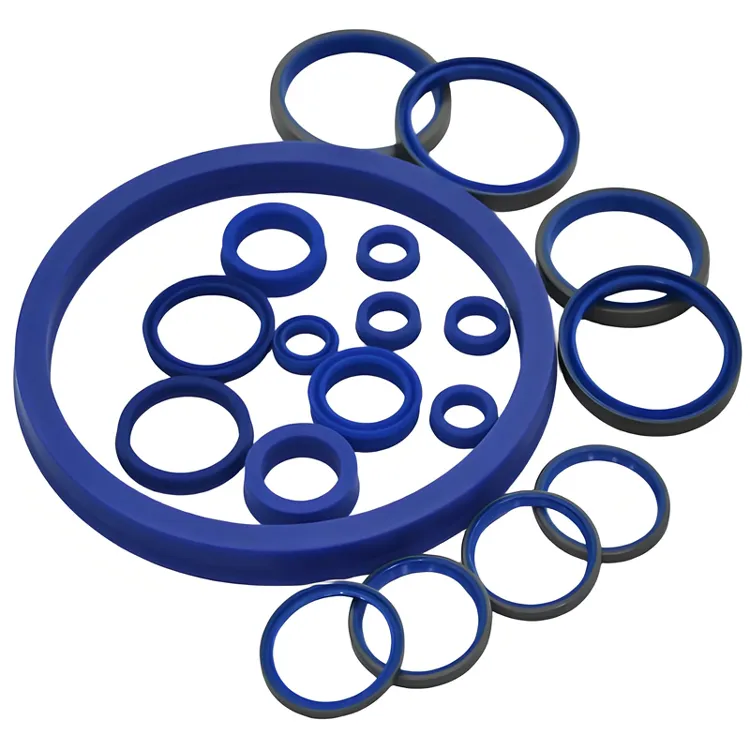
Types of Hydraulic Seals
Hydraulic systems use several distinct sealing geometries. The shaft oil seal in TC or TCN format seals the rotating pump shaft where it exits the housing. Piston seals prevent fluid from bypassing the hydraulic piston in actuators and cylinders. Rod seals prevent fluid from escaping along the piston rod during extension. Wiper seals — sometimes called scraper seals — remove contaminants from the rod surface on each retraction stroke, preventing abrasive particles from entering the cylinder. Each position demands a different seal profile, and mixing them is a common — and expensive — error.
Pressure Ratings and Backup Rings
A standard O ring can handle moderate hydraulic pressures but begins to extrude into clearance gaps above approximately 70 bar. At higher pressures, a rigid backup ring (PTFE or hard plastic) is installed adjacent to the O ring to prevent extrusion. For very high pressures — common in mobile construction and mining equipment — a purpose-designed sealing ring in polyurethane (PU) or PTFE compound offers superior extrusion resistance and longer service life than rubber alone.Contamination ControlFluid cleanliness is as important as seal quality in hydraulic systems. ISO 4406 contamination levels should be controlled to the pump and valve manufacturer's recommendations. Abrasive particles are the primary cause of hydraulic seal wear.
Temperature Management
Hydraulic fluids in heavy-duty cycles regularly reach 70–90°C. A rubber oil seal in NBR compound handles this range comfortably. However, in compact power units or systems without adequate cooling, fluid temperatures can spike above 100°C, at which point FKM compound seals or TC oil seal variants with FKM lips are the correct specification. Always factor in peak temperatures, not just steady-state operating values, when selecting compound.
Choosing Your Hydraulic Seal Supplier
Hydraulic seal failures are expensive — they cause fluid loss, system depressurisation, and potential machine damage. Working with proven oil seal manufacturers who operate their own oil seal factory with in-house compound testing and dimensional inspection is particularly important in this sector. While the oil seal price from certified oil seals suppliers may be higher than budget alternatives, the return — measured in reduced seal replacement frequency and eliminated unplanned downtime — is substantial. For vehicle-mounted hydraulic systems, specifying an auto oil seal from a certified source also ensures compatibility with OEM hydraulic fluid specifications.Hydraulic systems reward careful sealing decisions and penalise careless ones. Get the specification right, use quality components, and your system will deliver reliable, leak-free performance across its full service life.
